The History of Hookah: From Persia to Modern Day
Quick Answer
Hookah originated in Safavid Persia or India around the 1500s as a royal smoking device. The word 'hookah' comes from the Hindi word huqqa, while 'shisha' comes from the Persian word for glass. Hookah spread through the Middle East and North Africa over centuries, becoming a social tradition. Modern hookah lounges emerged in the 1990s and spread globally.
Hookah originated in Safavid Persia or India around the 1500s as a royal smoking device. The word 'hookah' comes from the Hindi word huqqa, while 'shisha' derives from the Persian word shishe, meaning glass. Over 500 years, the water pipe traveled from royal courts to coffeehouses to modern lounges in Los Angeles.
The history of hookah is a story of cultural exchange — Persian glasswork, Indian craftsmanship, Ottoman social rituals, and modern global culture all shaped what hookah is today. If you are new to hookah generally, our complete beginner's guide covers the basics.
Where Did Hookah Originate?
The exact origin is debated, but most historians place the invention of the water pipe in Safavid Persia or Mughal India in the 1500s. According to Wikipedia, one popular account credits an Iranian physician named Hakim Abu'l-Fath Gilani, who served in the court of the Mughal Emperor Akbar in India. He reportedly devised a system that passed smoke through water to cool it.
Whether it began in Persia or India, the device quickly spread across both regions. It was initially a luxury reserved for royalty and nobility — the materials, the glasswork, and the tobacco were expensive and rare. The hookah was a symbol of status, hospitality, and leisure.
What Does the Word 'Hookah' Mean?
The word 'hookah' comes from the Hindi word huqqa, which means a pot or jar. The Persian word shishe means glass, which gave us 'shisha.' In Turkey the device is called nargile, from the Persian word nargil meaning coconut — early water pipes were made from coconut shells. In Arabic-speaking countries it is known as argileh. All these names refer to the same beautiful water pipe.
How Did Hookah Spread Across the World?
Persia and the Ottoman Empire
From its origins in Persia and India, hookah spread westward through trade routes. By the 1600s, the Ottoman Empire had adopted the water pipe enthusiastically. Coffee houses in Istanbul, Damascus and Cairo became centers of social life where people gathered to smoke nargile, drink Turkish coffee, and converse for hours. The hookah was a symbol of hospitality and community.
South Asia and the Colonial Era
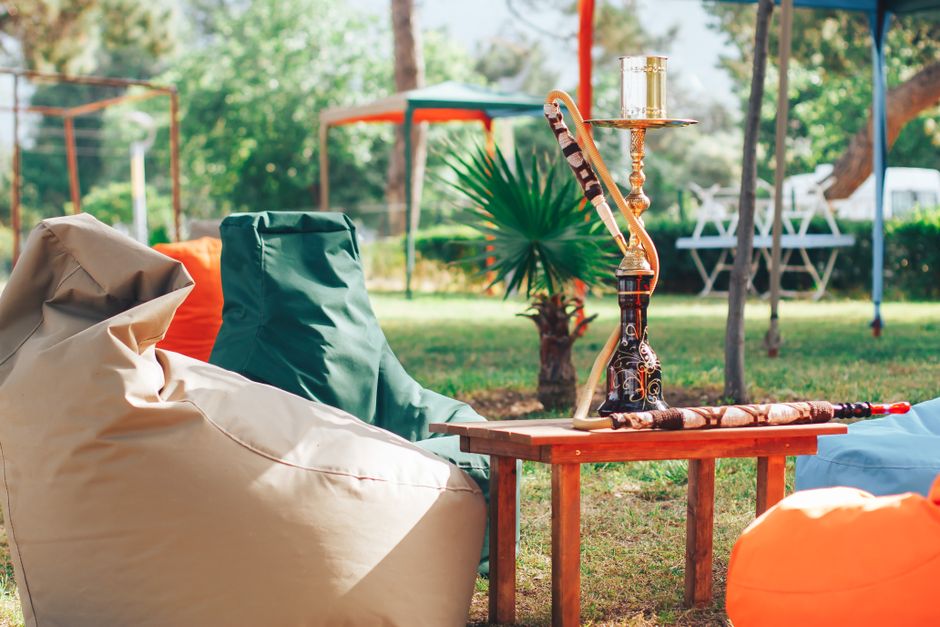
In India, hookah remained a cultural staple through the Mughal era and into the colonial period. The traditional Indian hookah used a coconut shell base with a wooden stem. When the British encountered hookah in India, they brought the concept back to Europe, though it never gained the same popularity there as it had in the Middle East.
The Introduction of Flavored Mu'assel
The biggest turning point in hookah history came in the late 20th century. Traditional hookah used raw tobacco with molasses or honey. In the 1990s, Egyptian producers developed mu'assel — a modern, flavored shisha tobacco that combined tobacco leaf, molasses, glycerol, and fruit flavorings. This made hookah smoother, sweeter, and far more appealing to a wider audience.
The introduction of flavored shisha tobacco transformed hookah from a traditional practice into a global social phenomenon. Brands like Al Fakher and Fumari helped popularize flavored shisha worldwide.
When Did Hookah Lounges Become Popular?
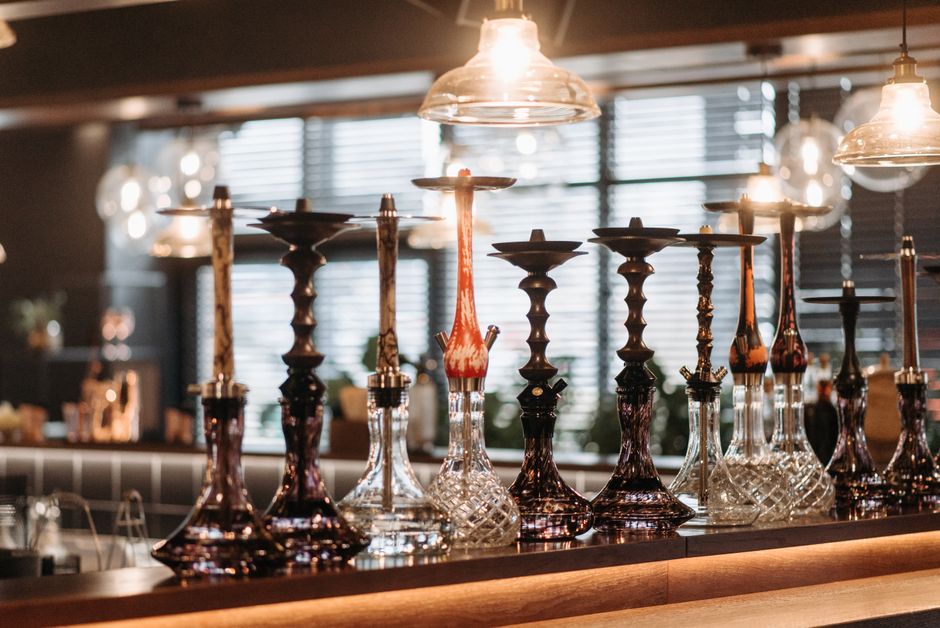
Hookah lounges as we know them today emerged in the Middle East in the 1990s and spread to Europe and North America in the 2000s. These lounges reimagined the traditional coffee house experience with comfortable seating, music, food, and a wide selection of flavors. The social, relaxed atmosphere appealed to people looking for what sociologists call a third place — a space between home and work where community happens.
In the United States, hookah lounges became common near university campuses. Since 2019, the minimum age to enter a hookah lounge is 21 under Tobacco 21 laws. Today, premium lounges like Centerpiece carry that tradition forward with curated experiences and high-end equipment.
How Has Hookah Culture Evolved?
- 1500s: Water pipe invented in Persia or India, used by royalty.
- 1600s: Hookah spreads through the Ottoman Empire; coffee house culture emerges.
- 1800s: Traditional use continues across the Middle East, South Asia and North Africa.
- 1990s: Flavored mu'assel tobacco developed in Egypt; modern lounges emerge.
- 2000s: Hookah lounges spread to Europe and North America.
- 2010s: Premium hookah brands like Wookah elevate equipment quality.
- Present: Hookah lounges operate in major cities worldwide, including Los Angeles.
To return to the core question: where did hookah come from? It began in Persia or India around 500 years ago as a royal device, spread through the Middle East and beyond, and was transformed by the invention of flavored shisha tobacco in the 1990s. For more on how the modern experience works, see our beginner's guide or our guide to what makes a premium hookah lounge.
Centerpiece Hookah Lounge: A Modern Chapter
Centerpiece Hookah Lounge in Westwood, Los Angeles is part of this continuing story. Founded by Mina in 2015, the lounge brings 20 years of hookah experience and a Michelin-restaurant standard of curation to the tradition. Located at 1446 Westwood Blvd, minutes from UCLA, we honor the cultural roots of hookah while pushing the craft forward with experimental blends and premium equipment.
We use Wookah and Alpha Hookah pipes, natural coconut coals, and 50+ shisha flavors from Indonesia, Turkey, and Egypt. Our approach is mood-based curation — we ask how you are feeling and match you to a blend, just as the coffeehouse hosts of old Istanbul matched their guests to the right nargile. We are open nightly until 2 to 4 AM and are strictly 21+. You can plan your visit, see our full menu, or learn about our premium experience.
Frequently Asked Questions
Where did hookah originate?
Hookah originated in Safavid Persia or Mughal India around the 1500s. One popular account credits an Iranian physician named Hakim Abu'l-Fath Gilani with inventing the water pipe in the court of Emperor Akbar in India. The device was initially a luxury used by royalty and nobility before spreading to the general population.
What does the word hookah mean?
The word 'hookah' comes from the Hindi word huqqa, which means a pot or jar. In the Middle East the device is called shisha, from the Persian word shishe meaning glass. In Turkey it is called nargile, from the Persian word nargil meaning coconut — early water pipes were made from coconut shells.
How old is hookah?
Hookah is roughly 500 years old. The earliest descriptions of water pipes date to the 1500s during the Safavid dynasty in Persia and the Mughal era in India. The modern form — using flavored mu'assel tobacco — emerged much later, in the late 20th century.
When did hookah lounges become popular?
Hookah lounges became popular in the Middle East in the 1990s and spread to Europe and North America in the 2000s. The trend was driven by the introduction of flavored mu'assel tobacco, which made the experience more approachable and social. Today, hookah lounges are common in major cities across the world, including Los Angeles.
Is hookah a cultural tradition?
Yes. Hookah has deep roots in Middle Eastern, South Asian and North African culture, where it has been used for centuries as a social ritual shared among family and friends. The tradition is closely tied to coffeehouse culture and the concept of hospitality. Modern lounges continue that social tradition.
Sources
- Wikipedia — Hookah
- Wikipedia — Safavid Iran
- Wikipedia — Mughal Empire
- Wikipedia — Ottoman Empire
- Wikipedia — Nargile
- Wikipedia — Mu'assel (Shisha Tobacco)
- Wikipedia — Hookah Lounge
- Wikipedia — Shisha Tobacco
- Wikipedia — Molasses
- Wikipedia — Coffeehouse
- Wikipedia — Hospitality
- Wikipedia — Westwood, Los Angeles
- UCLA — University of California, Los Angeles
- FDA — Tobacco 21
Centerpiece Hookah Lounge is a 21+ venue. Hookah and shisha contain tobacco and nicotine, an addictive chemical. This article is general information, not health advice.
Ready to Experience Premium Hookah?
Visit Centerpiece Hookah Lounge in Westwood — 50+ premium flavors, expert curation, and a welcoming atmosphere. Open nightly.
Plan Your Visit